
Many professionals are trained to rely on data, analysis, and structured decision-making. While these skills are essential, leadership also requires something less tangible: intuition.
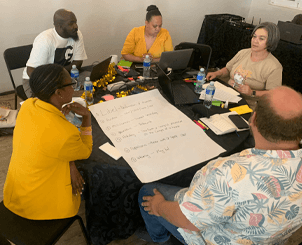
Throughout the programme, delegates explored how intuition develops through experience and how it can guide leaders when facing complex decisions.
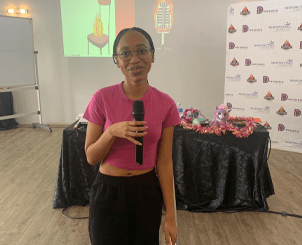
One participant shared a common experience.
“I often have a gut instinct, but I tend to suppress it because I feel like I need all the facts first.”
This insight resonated with many delegates. Leaders are often taught to trust only what can be measured. Yet in dynamic environments, waiting for complete information is rarely possible.
Another participant reflected on how trusting intuition can strengthen leadership confidence.
“Trusting your intuition and gut feel will stand you in good stead.”

Intuition is not guesswork. It is the brain’s ability to recognise patterns and draw on past experiences to guide decisions quickly.
Delegates also explored how mindfulness practices can help leaders strengthen their awareness and intuition.
Practices such as meditation and reflection allow leaders to slow down their thinking and become more conscious of the signals their mind and body are sending.
One participant shared their experience using a mindfulness device during the programme.
“We hear a lot about meditation, but actually experiencing it and seeing how well you are doing helped me understand how to practise it properly.”
Another participant explained how training the brain through new habits can improve self-awareness.
“You need to train your brain to try things you have never done before.”
This willingness to experiment and explore new behaviours is a hallmark of effective leadership.
When leaders learn to combine analytical thinking with intuitive awareness, they become far more adaptable.
They are able to make thoughtful decisions even when information is incomplete.
In uncertain environments, that ability becomes a powerful leadership advantage.